













The recurring billing platform for enterprise subscription business units
Launch and scale service contracts, XaaS, and software layers without rebuilding your enterprise ERP.







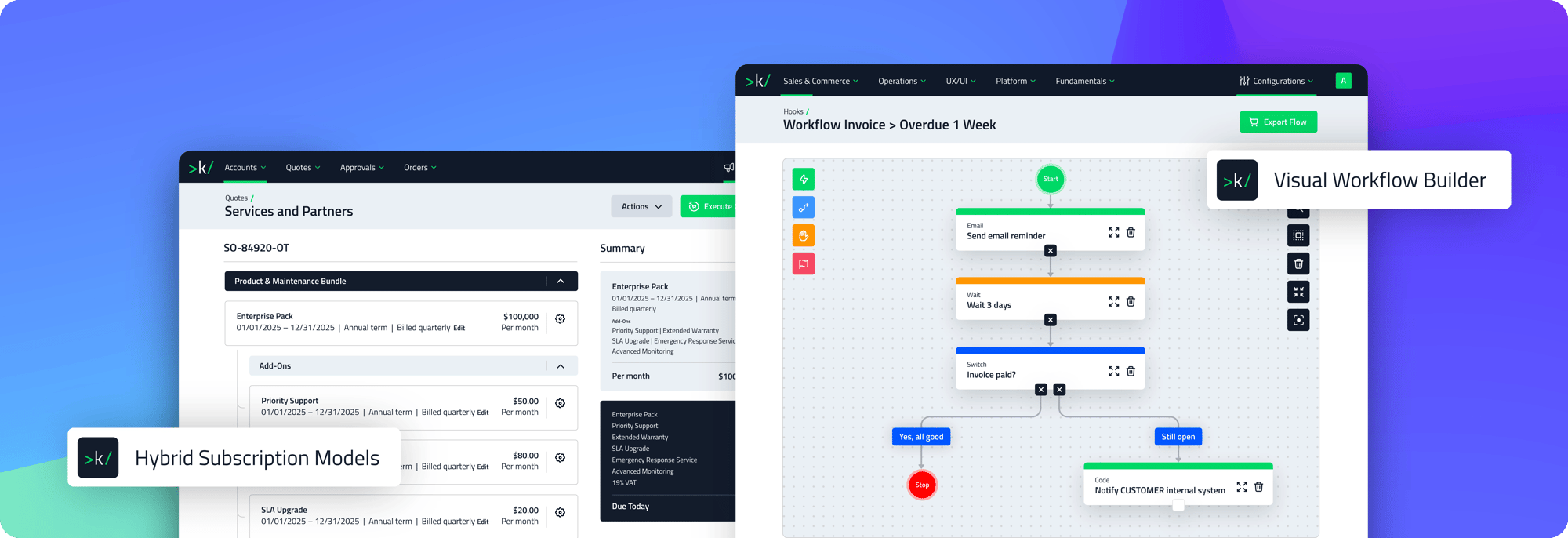

Product & Subscription Models
- Hardware products, software, and subscription-based services
- Device-bound subscriptions, cloud-delivered services, and serial-number-based logic

Entitlement Management
- Product access, usage limits, service periods, and user-level access rules
- Customer, account, device, and profile permissions

API-First Architecture
- Native and configurable custom integrations
- Connections to ERP, CRM, CPQ, cloud products, connected devices, internal tools, and more

End-To-End Recurring Billing Lifecycles
- Recurring billing, automated renewals, and subscription changes
- Contract amendments, upgrades, add-ons and mid-term proration rules

End-To-End or Targeted Setup
- Use keylight as a full subscription operating layer, or begin with the most urgent operational gaps
- Architectural flexibility across full platform adoption or a narrower setup

Configurable Platform Logic
- Rule-based automation with if-then logic and visual workflow configuration
- Pricing models, bundled product rules, renewal and payment terms, approvals, notification triggers and more

A flexible operating layer for subscription operations
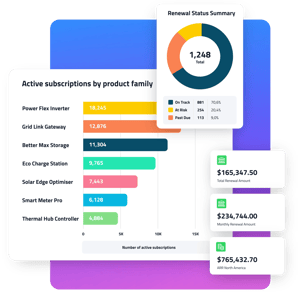
keylight supports subscription operations through an API-first, configurable platform that can work end-to-end or as part of an existing enterprise stack. Teams can use keylight for product catalog, CPQ, self-service portals, subscription management, billing automation, and analytics, while deciding which processes should run in keylight and which should remain in ERP, CRM, CPQ, finance, or internal systems.
Change your subscriptions without rebuilding contracts
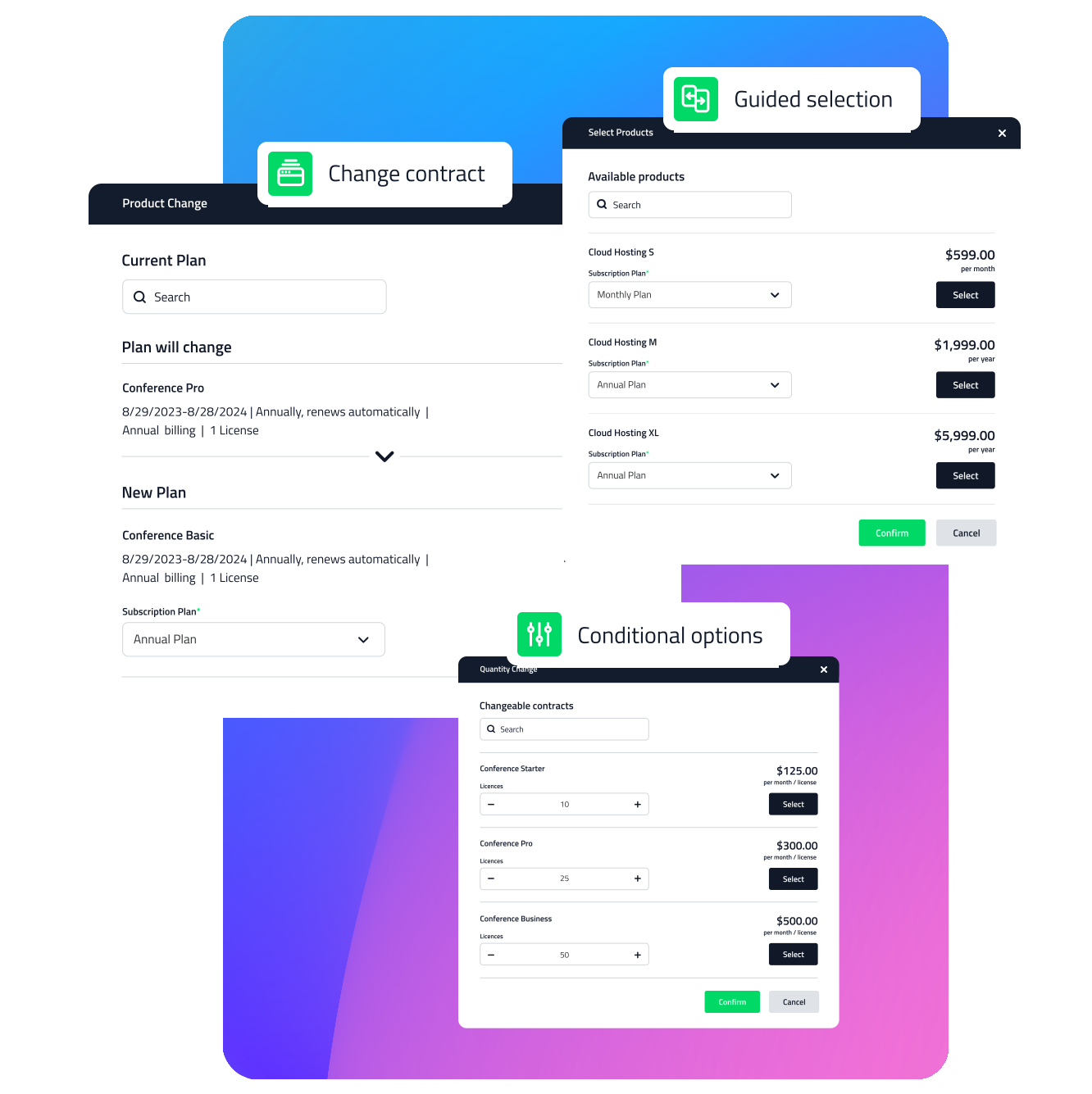
keylight supports subscription changes after the initial order, including upgrades, add-ons, renewals, amendments, terminations, and plan changes. Subscription events can apply the right billing rules, prorated charges, notifications, revenue recognition logic, and ERP handoff while keeping the contract history and audit trail intact.
-
Guided changes for product and plan updates
-
Conditional options based on the current contract
-
Prorated charges for mid-term upgrades and add-ons
-
Change history and audit trail for every subscription event

CRM Integration
- CRM remains the source for accounts, opportunities, and sales activity.
- keylight manages downstream billing and lifecycle logic beyond CRM-only objects.


CPQ & Quoting
- Embedded keylight CPQ included as part of the platform.
- Direct CPQ use or headless CPQ access from CRM systems.
- Quotes connected to recurring invoices, renewals, and subscription changes.

ERP & Finance Integration
- ERP remains the financial system of record.
- keylight manages the subscription lifecycle and prepares clean, auditable, finance-ready data.
- Revenue recognition and reporting can run in keylight or be handed over to other tools.

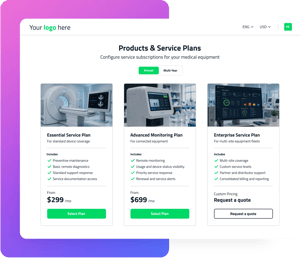
Customer Self-Service Portals
Let customers view and manage their subscriptions through a configurable self-service portal, included straight out of the box.
- View contracts, entitlements, renewal dates, and service status
- Request or add services, updates, and subscription changes
- Manage billing details in a brandable portal experience

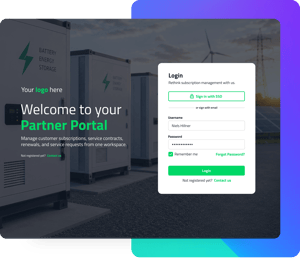
Partner Portals
Give channel partners tools to quote, sell, renew, and manage service contracts with granular permission controls.
- Create quotes, renew contracts, and request service changes.
- Access relevant end-customer, contract, and renewal details.
- Operate within configured partner rules for pricing, discounts, and approvals.

Market Configuration
- Multi-currency and multi-language setups
- Regional pricing, price lists, and tax handling
- Account hierarchies and local finance requirements

International Rollout
- Start with one model, then localize it by market
- Support customers operating across regions
- Regional data center for global expansions
Launching a new subscription business unit?
Companies launching a new subscription or as-a-service business unit can work with keylight to review the billing model, entitlement logic, integration landscape, and rollout path. The goal is to identify the right subscription infrastructure before manual workarounds become the operating model.